Stress-Free Long Distance Moving Services: Your Handbook to a Smooth Transition
Long-distance relocation can be difficult, yet it doesn't have to be overwhelming. With the right strategies and resources, individuals can navigate the challenges of moving. Important elements include selecting a trustworthy mover, effective packing techniques, and establishing a definite timeline. Understanding these factors can significantly simplify the shift. However, many overlook vital details that can cause avoidable pressure and problems. What are the common mistakes to avoid?
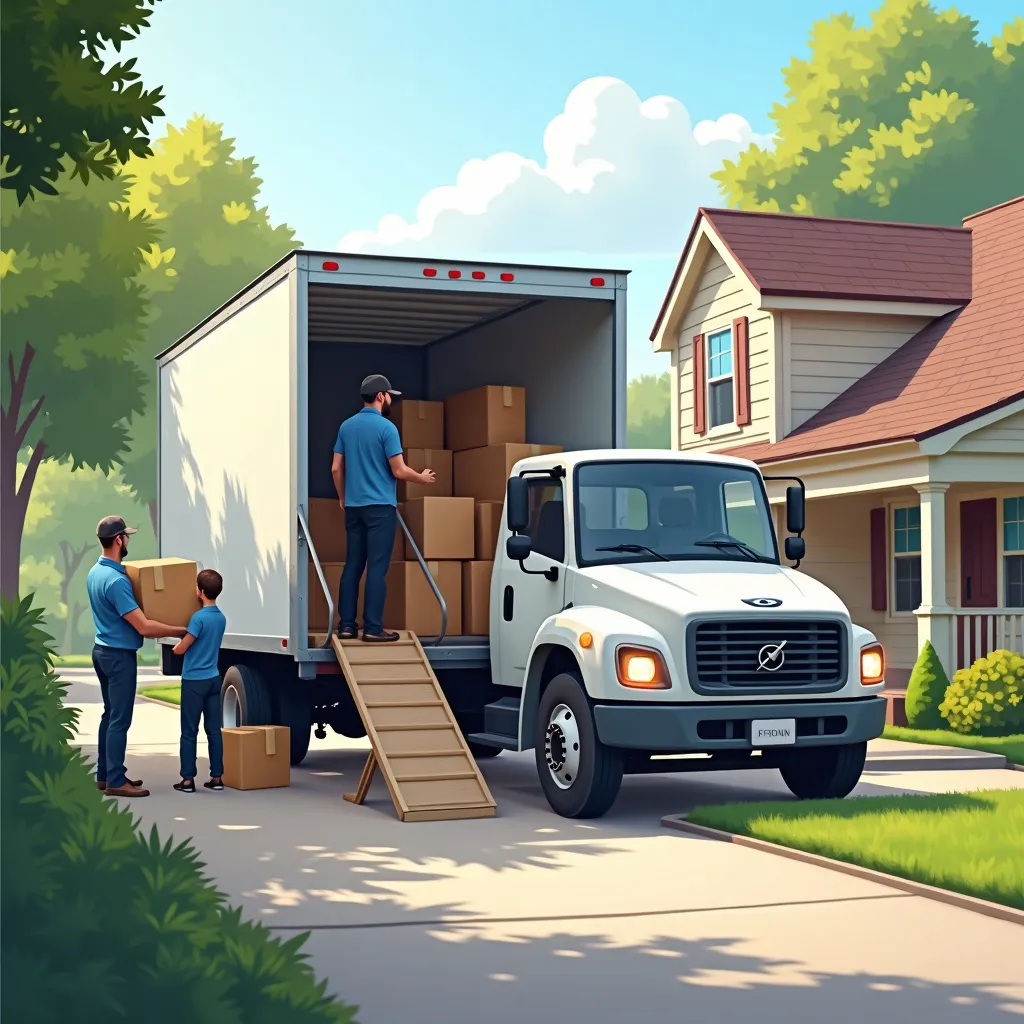
A Guide to Assessing Long-Distance Moving Companies
When selecting a long-distance moving company, how does one guarantee they make the best decision? Evaluating potential movers requires a systematic approach. First, researching credentials is vital; companies should be properly licensed with insurance coverage. Web-based testimonials and scores provide insights into past customer experiences, highlighting reliability and service quality.
Next, sourcing multiple quotes provides the ability for reviewing pricing structures and services offered. Transparent fee structures is fundamental; hidden charges can trigger unpleasant surprises.
Another crucial factor is the company's expertise with extended relocations, as it often demonstrates their skill in managing logistics and challenges unique to such relocations.
Finally, examining customer service responsiveness can offer insight into continuous assistance during the relocation. By adhering to these guidelines, individuals can confidently choose a cross-country moving service that matches their needs, guaranteeing a smoother shift.
Reasons to Pick Experienced Movers
Opting for professional movers during long-distance relocations brings major benefits. Their expertise can make the transition easier, decreasing both time and stress for people and loved ones. Additionally, established moving companies frequently offer protective coverage and liability safeguards, ensuring tranquility and confidence during the relocation.
Skill In Long-Distance Moves
Hiring professional movers for long-distance relocations can substantially alleviate the stress involved with such adjustments. Their knowledge in managing logistics guarantees that all aspects of the move are handled efficiently. Experienced movers grasp the complexities of long-distance moves, from packing breakable items securely to navigating unfamiliar routes. They possess the required equipment and know-how to load and transport belongings safely, reducing damage risk. Furthermore, professional movers are well-informed about regulatory requirements, ensuring compliance with state laws and permits. This level of expertise not only improves security but also builds client confidence, enabling them to focus on settling into their new home instead of the move’s complexities. Choosing professional movers ultimately delivers a more streamlined experience.
Time And Stress Reduction
While transitioning to a new destination can be an exciting adventure, the time and tension involved can quickly become burdensome. Going with skilled moving companies significantly alleviates these concerns. Their expertise allows for effective packing, loading, and transportation, lessening the time spent on logistics. This efficiency not only speeds up the relocation process but also lessens the physical strain on individuals. Trained moving experts handle the heavy lifting and complex tasks, allowing clients to focus on getting comfortable in their new home. Additionally, the peace of mind that comes with knowing seasoned professionals are managing the shift can greatly reduce stress levels. Ultimately, hiring professionals changes a challenging process into a seamless journey, making it easier to embrace the excitement of a new beginning.
Insurance And Liability Safety
Engaging professional movers not only ensures a seamless transition but also supplies critical insurance and liability safeguards. This safeguard is vital when transporting valuable possessions over long distances, as it reduces the risk of damage or loss during transit. Professional moving companies typically provide various protection plans, including basic liability and full-value protection, guaranteeing customers have confidence and assurance. In contrast, self-directed relocations often leave people vulnerable to unforeseen circumstances, without remedy for harmed possessions. By choosing professional moving companies, clients benefit from their expertise and the guarantee that their belongings are protected. In the end, the investment in expert relocation assistance can save significant costs and emotional stress associated with possible damage, making it a smart decision for long-distance relocations.
Vital Packing Strategies for Your Long-Distance Move
Proper packing is crucial for a effective long-distance relocation, as it guarantees that possessions arrive safely and intact. To start, people should collect quality supplies, such as durable containers, bubble wrap, and adhesive tape. Sorting belongings by location can streamline the procedure and reduce the chance of losing belongings. It is advisable to label each container distinctly, noting both the items inside and the room destination, which facilitates unpacking.
Fragile items demand special care; packaging them alone in bubble wrap or packing paper helps in preventing breakage. Moreover, filling empty spaces inside boxes with packing peanuts or crumpled paper offers extra cushioning. For heavier items, using smaller boxes examine this material helps to prevent strain and protects safe handling. Finally, packing an essentials box with necessary items for the first few days can make settling in much smoother. By following these packing tips, people can boost the efficiency and safety of their long-distance move.
Expectations for the Relocation Process
Thoughtful packing creates the basis for what to expect during the relocation journey. A methodically arranged packing strategy can substantially streamline the move, reducing pressure and hesitation. Individuals should expect a detailed timeline that outlines critical milestones, from packing to loading and delivery.
Regular contact with the moving company is crucial; clients should anticipate regular updates concerning the status of their belongings and any potential delays. It is also important to be ready for the logistics involved, such as the need for particular licenses or access arrangements at both locations.
Clients may encounter unexpected challenges, ranging from bad weather conditions to road conditions impacting arrival times. Understanding that adaptability is crucial can help mitigate anxiety. Ultimately, setting realistic expectations and maintaining open lines of communication with the moving team will lead to a more seamless and streamlined moving experience.
Settling In: Making Your New Home Feel Like Home
As the moving truck pulls away, people often consider how to turn their new space into a pleasant sanctuary. The initial step in this process includes setting up essentials to create a comfortable living environment. Prioritizing items like kitchenware, bedding, and personal effects can markedly enhance comfort and familiarity.
Subsequently, incorporating personal elements is important. Artwork, family photos, and cherished keepsakes can evoke memories and create a feeling of home. Positioning furniture to encourage movement and optimize space also enhances the overall ambiance.
Furthermore, customizing the scent of the home through diffusers or candles can establish a welcoming atmosphere. Connecting with the local community—exploring parks, cafes, or social events—builds connections that help individuals become grounded in their new surroundings.
Ultimately, these actions support a gradual transition, transforming a mere house into a true home abundant with warmth and personality.
Expense Guidelines for a Long-Distance Move
Organizing monetarily for a long-distance move requires careful strategy and insight. To begin, individuals should assemble a thorough inventory of their belongings to determine the size and weight of products being transported. This can help in receiving accurate quotes from transport companies. It is prudent to set a sensible financial plan that includes not only moving costs but also supplementary fees such as wrapping supplies, temporary lodging, and travel costs to the new location.
Next, people should think about the timing of the relocation. Rates may differ significantly based on the season or weekday. Booking well in advance can frequently result in improved rates. Additionally, it is advantageous to research and compare multiple moving companies to discover the best value. Finally, establishing a contingency fund for unforeseen costs will offer a financial buffer, guaranteeing a smoother adjustment throughout this significant transition.
Top 5 Critical Blunders to Bypass During Your Moving Day
Managing the troubles of a long-distance move can be intimidating, and avoiding common pitfalls is essential for a successful relocation. One key error involves underestimating the duration necessary for packing and organizing. Hurrying this task often leads to neglected belongings or inadequately filled boxes. Another common error is neglecting to research moving firms completely, potentially resulting in hidden fees or unsatisfactory service.
Moreover, failing to establish an inventory can result in lost or damaged belongings. Declining insurance for valuables is another critical oversight, leaving movers vulnerable to conceivable financial impact. Finally, insufficient dialogue with the moving team can cause discord about arrangements and objectives. By sidestepping these five problems, persons can advance a more efficient and less stressful long-distance move.
Frequently Asked Questions
What timeline is ideal for scheduling My moving service?
Experts suggest booking a moving service at least four to six weeks in beforehand. This timeframe allows for better selection, possible financial benefits, and adequate planning, eventually guaranteeing a easier moving process for the individual.
What Objects Should Not Be Moved During Far-Distance Transitions?
Items that are prohibited during long-distance moves commonly include dangerous goods, perishable foods, botanical items, and valuable items such as cash or precious accessories. Movers commonly furnish a detailed list to ensure adherence to regulations and safety standards.
Can movers furnish packing supplies, or ought I acquire my own?
Moving companies typically include packing supplies as included with their offerings, but it's smart to check in advance. Some folks opt to purchase their own materials for better control over quality and quantity throughout the moving process.
Is it Feasible to Track My Belongings During the Move?
Most moving companies offer monitoring capabilities for belongings during a move. Clients can typically track their shipment's status via an online portal or by contacting the company, guaranteeing confidence throughout the transition.
What Takes Place if My Belongings Get Damaged During Shipping?
If possessions are damaged during transport, the moving company typically investigates the claim. Based on the coverage amount, compensation may be offered. Adequate records and prompt reporting improve the likelihood of a positive resolution.